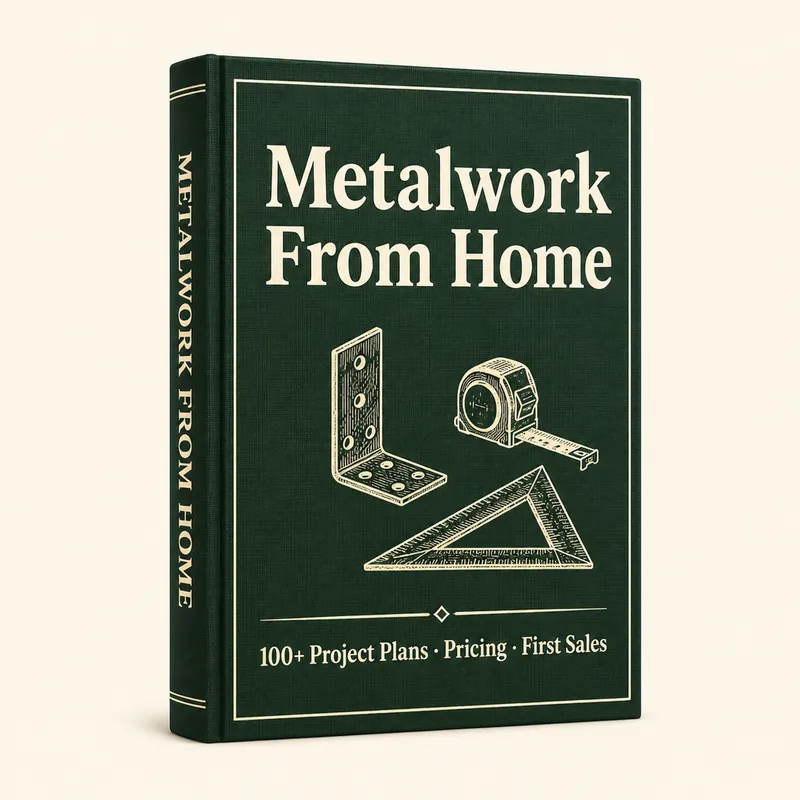
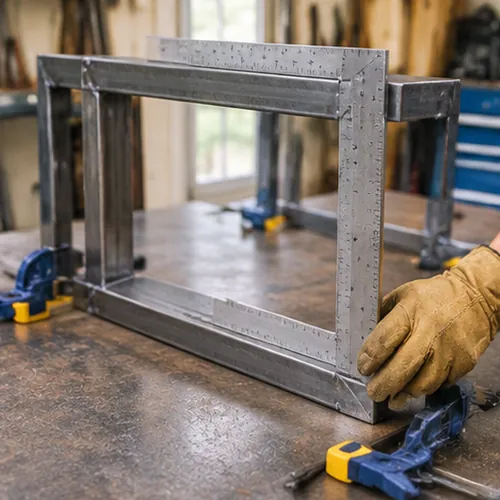
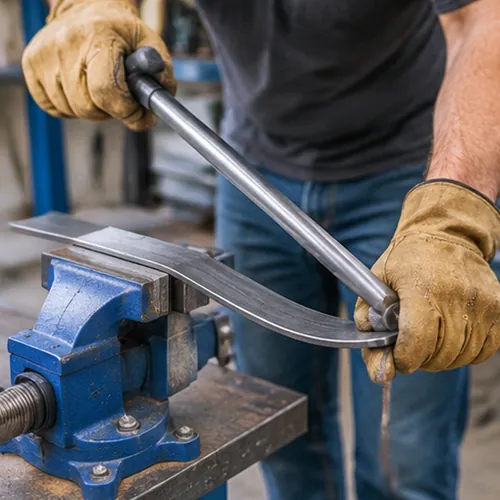
The step-by-step kit for measuring, layout, cutting, bending and assembling steel: 100+ project plans with cut lists, how to read a shop drawing, the shop safety routine, what to charge and how to land your first sales. Even if you’ve never cut a piece of steel and a blueprint looks like another language.
“A guy on Marketplace sold a plain steel fire ring for $220. It’s one strip of steel rolled into a circle.”
“My buddy asked me to make him two shelf brackets. I said no because I couldn’t read the drawing.”
Every week, somebody on your street wants a fire pit, a planter, a set of brackets or a sign with their house number. Store versions are flimsy or the wrong size, and custom steel pieces often sell for $100 or more. The pieces are simple once you have the plan. The difference isn’t talent. It’s knowing how to measure, mark, cut and fit, so every piece comes out square and right.
“I watched thirty videos and still couldn’t figure out how long to cut the pieces.”
A beginner with a stick of angle iron in his hand
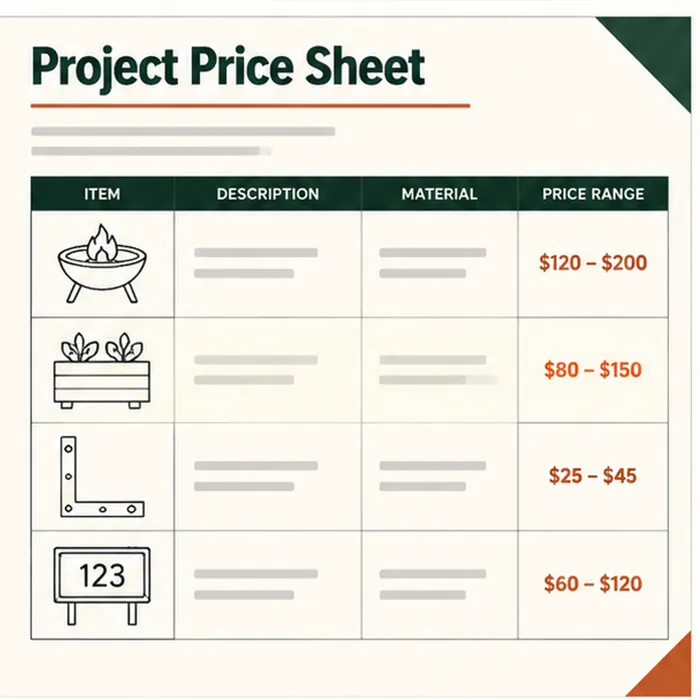
Example prices from public 2026 marketplace and handmade listings in the US. Prices depend on the area, the size, the steel and the finish.
None of this is a talent problem. It’s a plans problem, and this kit hands you the plans ready.
Gifts before the holidays, planters in spring, grill and patio pieces for summer, fire pits when the nights get cold. The guy with a few pieces ready when the season starts is the one who gets the orders.
Enough time to learn the basics, build your first two projects in the garage and post them, before somebody asks “do you make these?”
That’s how a stick of steel turns into a paid project, one piece at a time.
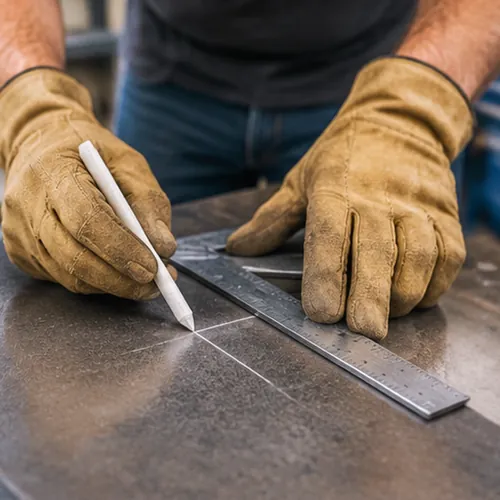
Open the plan, read the dimensions and mark every line on the steel with a square and a scribe. Measure once, right, before a single cut.
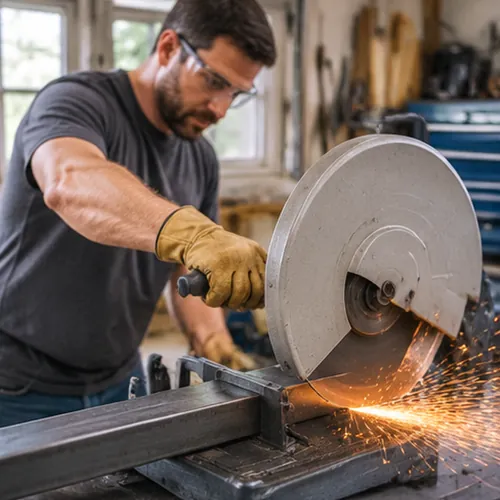
Follow the cut list: cut, drill and bend each piece in the order the plan shows, with the guards on and the glasses down. Piece by piece.
Square it, assemble it, finish it, then price it with the price sheet. Mark it, cut it, sell it.
Each one has its plan, cut list and steps inside, for your own place or for the people who ask you to make one. These are the pieces that sell.
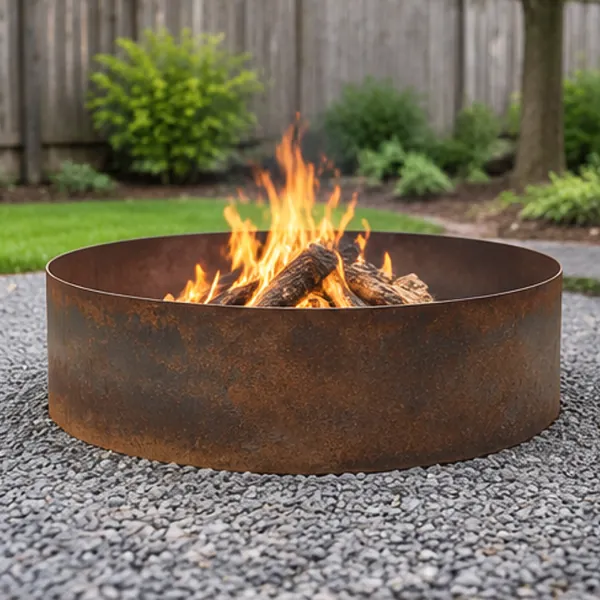
Fire pit ringsOften $150–300 each
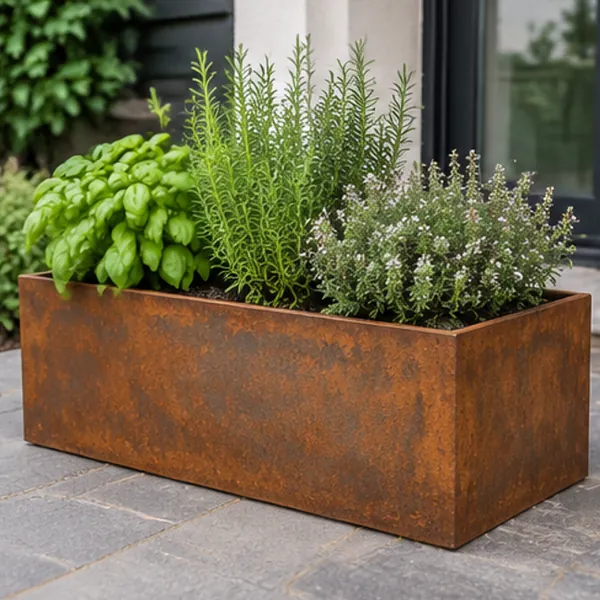
Steel planter boxesOften $120–300 each
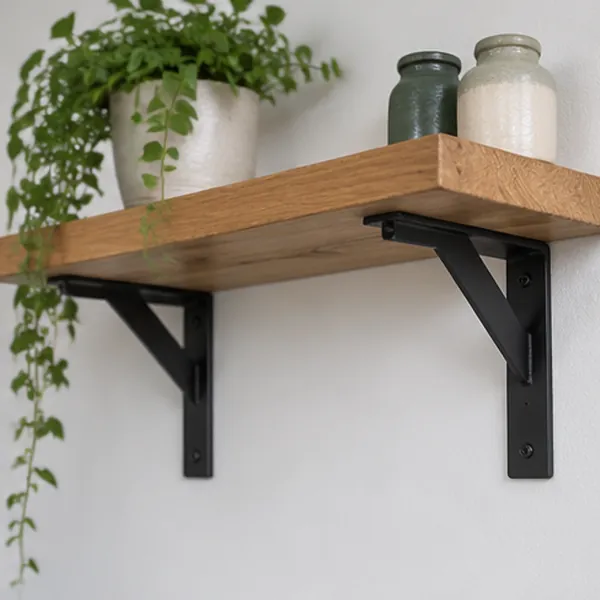
Shelf bracketsOften $40–90 a pair
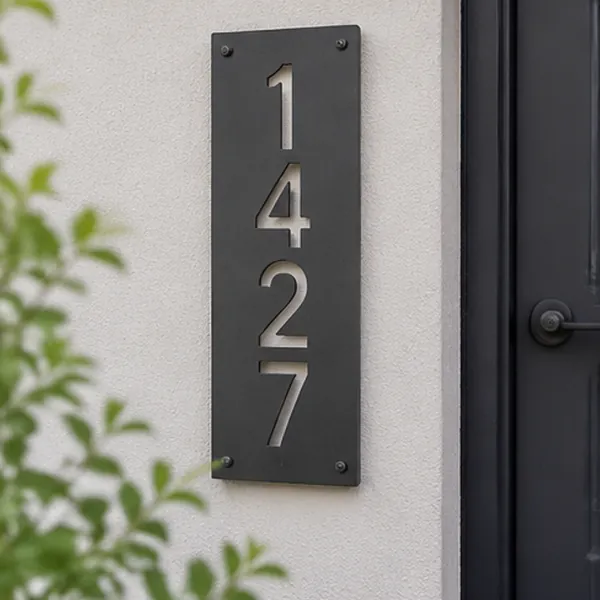
Address signsOften $60–150 each
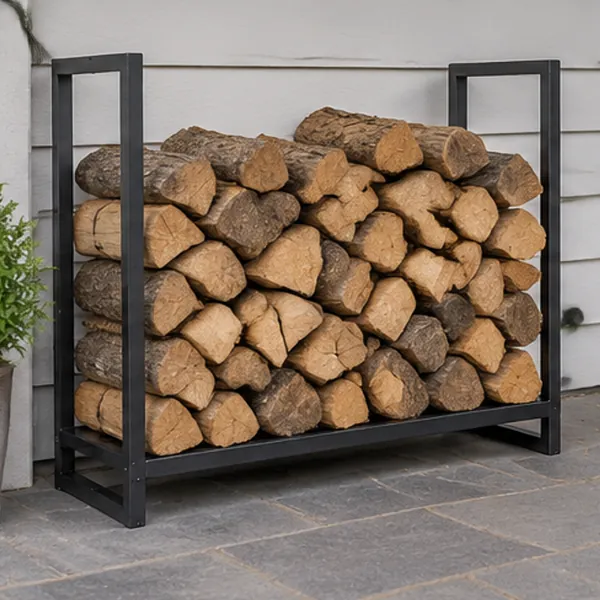
Firewood racksOften $120–250 each
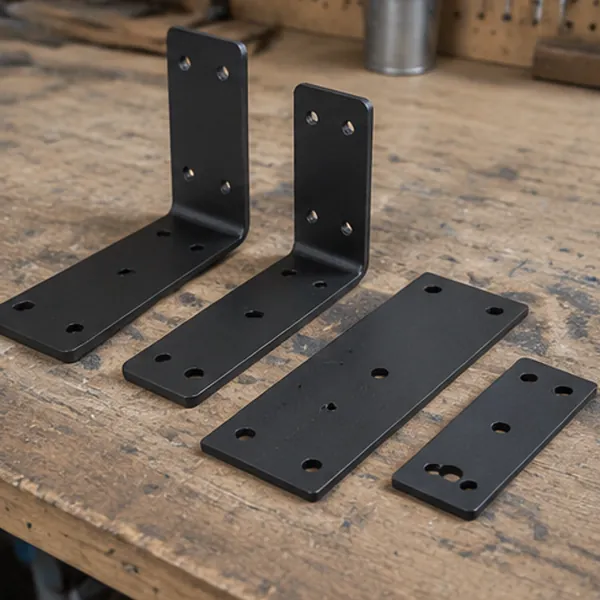
Custom brackets & platesOften $40–150 a jobExample prices from public 2026 marketplace and handmade listings. Not a promise of what you will charge or earn. Prices depend on your area, your buyers and local rules.
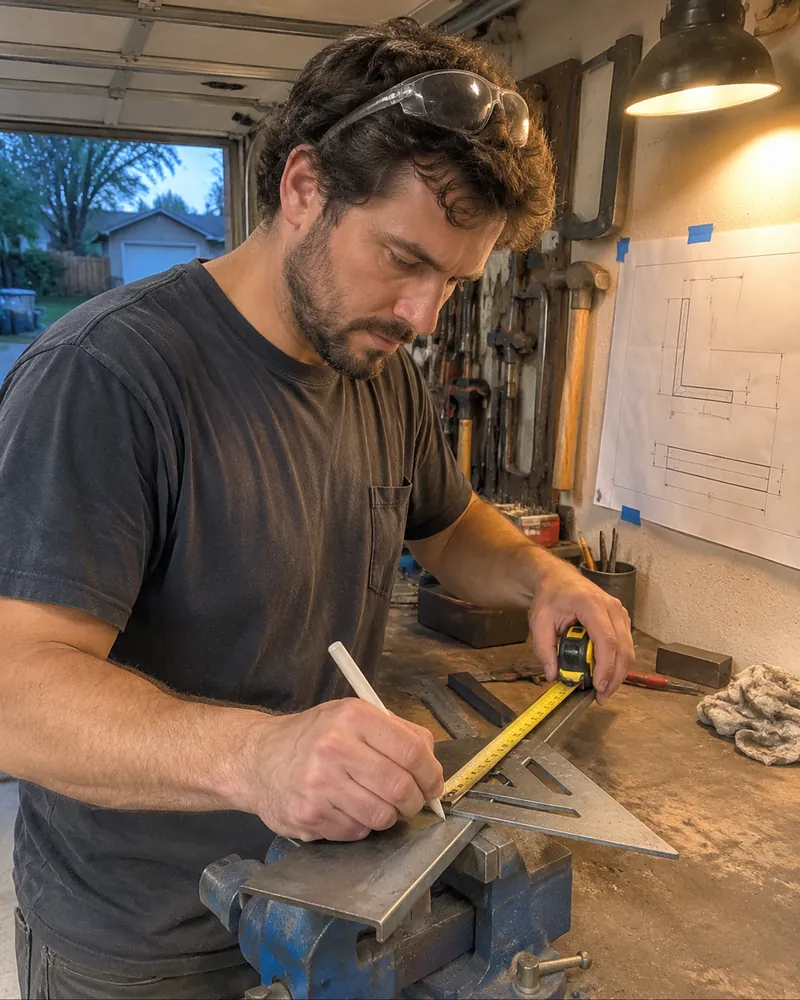
For your placeThe shelf brackets, the fire pit, the rack for the garage, the bracket nobody sells. Make them yourself, to the size you need, for the price of the steel.
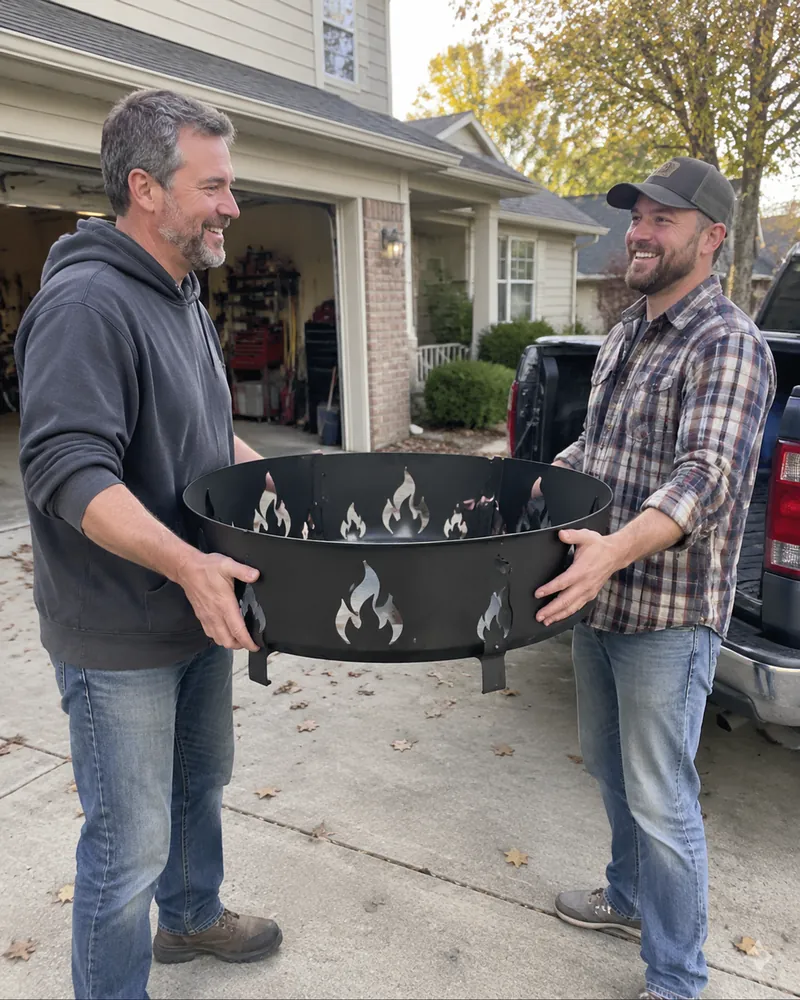
For extra incomeNeighbors, family, the guys from work, local Marketplace buyers. Start with one piece for someone who already asked, and see where it goes.
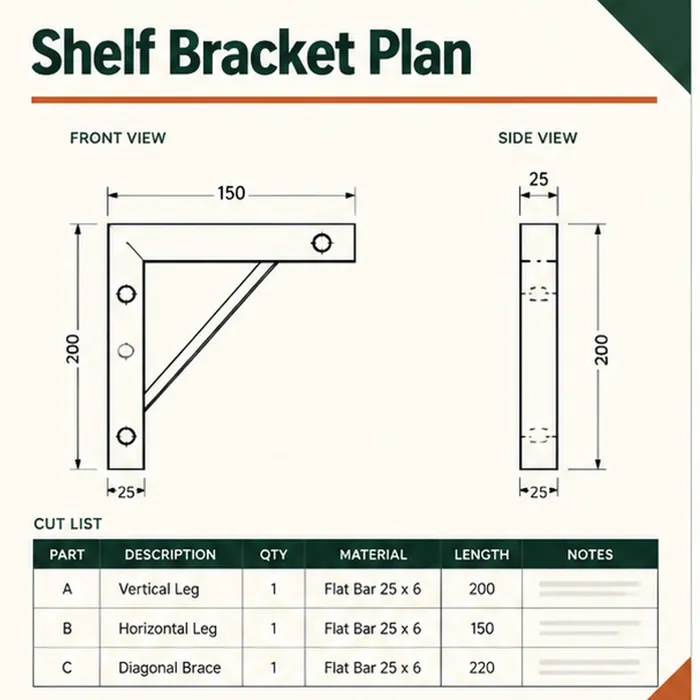
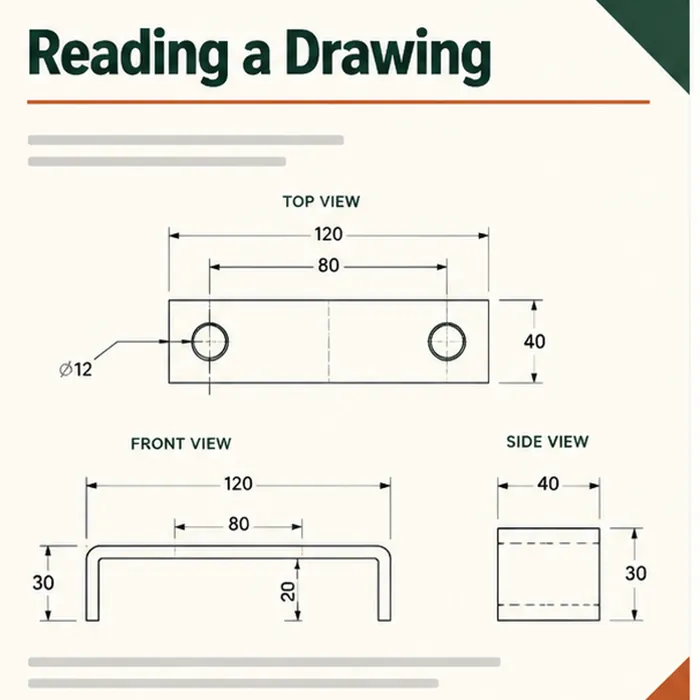
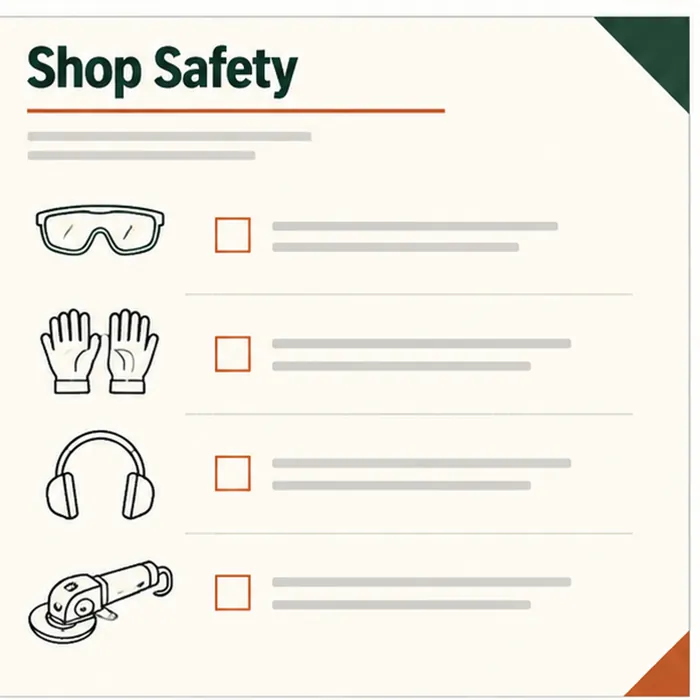
These are the kinds of pages inside: project plans with cut lists, how to read a drawing, the project price sheet and the shop safety checklist. Every one is ready to use today.
Open the kit, run the safety routine and build your first bracket from the plan. If it isn’t for you, send one email within 7 days and we’ll refund you in full. No forms, no hard feelings.
They were exactly where you are, sure metalwork was “not their thing”.
Mike ›
Darnell ›
Carol ›
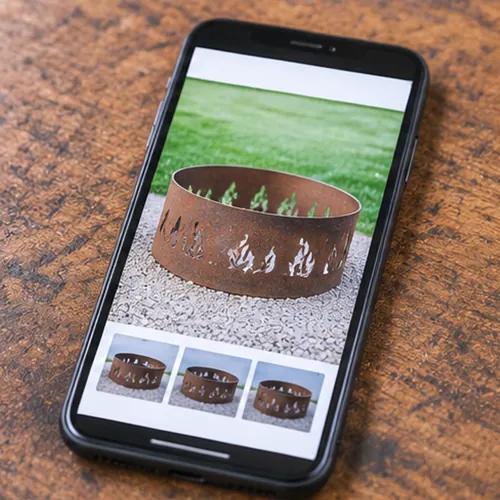
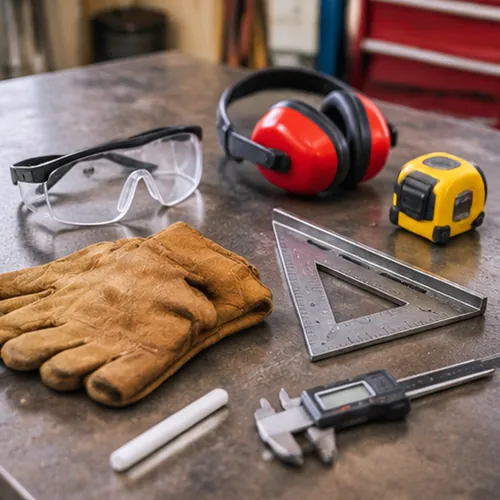
Open Kit 1, check the tool list and set up a safe corner of the garage. Learn the shapes and gauges of steel, so you know what to buy and why.
Pick the shelf bracket plan in Kit 2, read the drawing with Kit 3 and lay out every line on the steel. Then cut and drill your first pair with Kit 4.
Build a planter or a firewood rack with Kit 5, then open the price sheet in Kit 6 and write down what you’d charge. Your first piece is allowed to take longer than the tenth.
Open the First Sales Playbook: how to photograph it, where to post it and the message for the people who already asked. Then take your first order.
That’s it. One week, a few pieces you can build with your eyes open, and “can you make me one?” doesn’t scare you anymore.
From the first line you mark on steel to your first paid project, and a little extra money on the side.
What to wear, what to buy first and how each steel shape behaves. Glasses on, guards on, then cut.

Dimensioned plans for the pieces people actually buy, and a plain-English way to read any drawing so you mark it right the first time.

Clean cuts, holes where they belong and bends that land on the line, with the mistakes that waste steel. Straight, clean, done.

How to square a frame, line up the parts and check every dimension before it’s final. Then a finish that holds up outside.

What to charge for each piece, how to quote custom work and what to say to the people who ask, so “can you make me one?” turns into a paid order.

The tool list, a cut-list calculator, quote and invoice templates, layout and bend checklists and how to turn one sale into a regular customer.

What they say once the first piece comes out square.
“I had a grinder and a vise and no idea how to plan a piece. I started with the shelf bracket plan, marked it off the drawing and drilled it in one evening. A buddy from work saw them and ordered four more pairs for his kitchen, $60 a pair.”
“Drawings always lost me. The page on top, front and side views finally made it click. I built a firewood rack from the cut list on my days off, posted one photo and sold it in two days. Now I keep two in the garage ready to go.”
“I’ve worked with my hands my whole life but never with plate and angle. The layout and squaring checks are what I was missing. I make fire pit rings for folks from church now, and I quote them straight off the price sheet.”
“My clients kept asking where to buy steel planters. I built the first one following the plan, checked it square, sealed it, and added it to a yard job. Six planters this month, and they look better than the store ones.”
No. The kit starts from zero: the steel shapes, the tools you need and the safety routine. Then you build simple pieces like brackets before bigger projects.
Cutting and grinding steel can hurt you. That’s why Kit 1 comes first: safety glasses, gloves, hearing protection, guards on the tools, clamped work and a clear area with nothing that can catch a spark. The kit covers small projects for a home garage and tells you clearly what to leave to a professional shop, like structural, load-bearing or pressure work.
No. This is a practical guide, not a certification or a professional license. Some work, like structural steel, railings that must meet code or anything under pressure, needs a certified professional. The kit focuses on decorative and utility pieces for the home, yard and garage.
No. Most plans are bolted, riveted or bent, with a grinder, a chop saw, a drill and a vise. If you already have a welder or want to start, the optional Garage Welding Starter Guide covers the basics.
Fire pit rings, planter boxes, shelf brackets, address signs, firewood racks, garage storage, table legs, hooks, custom brackets and plates: 100+ plans in all, each with a cut list.
We can’t promise any amount. It depends on your area, your hours, your prices and how you sell. The prices on this page are examples of what these pieces often sell for, not promises.
Printable PDF guides and plans you can open on your phone in the garage, plus the calculator and the quote and invoice templates. Nothing is shipped.
Right after you pay, you get an email to open your library. Everything is there, ready to open, print and use.
For life. Pull up any plan whenever a new order comes in.
Yes. Checkout is secure, access arrives by email the moment you pay, and you’re covered for 7 days.
Your purchase is covered for 7 days. Open the kit, build a bracket or two, and if it isn’t for you, send us one email and we’ll refund you in full.